
Gluten-Free Diet: Is It Really Healthy for Everyone?
Introduction
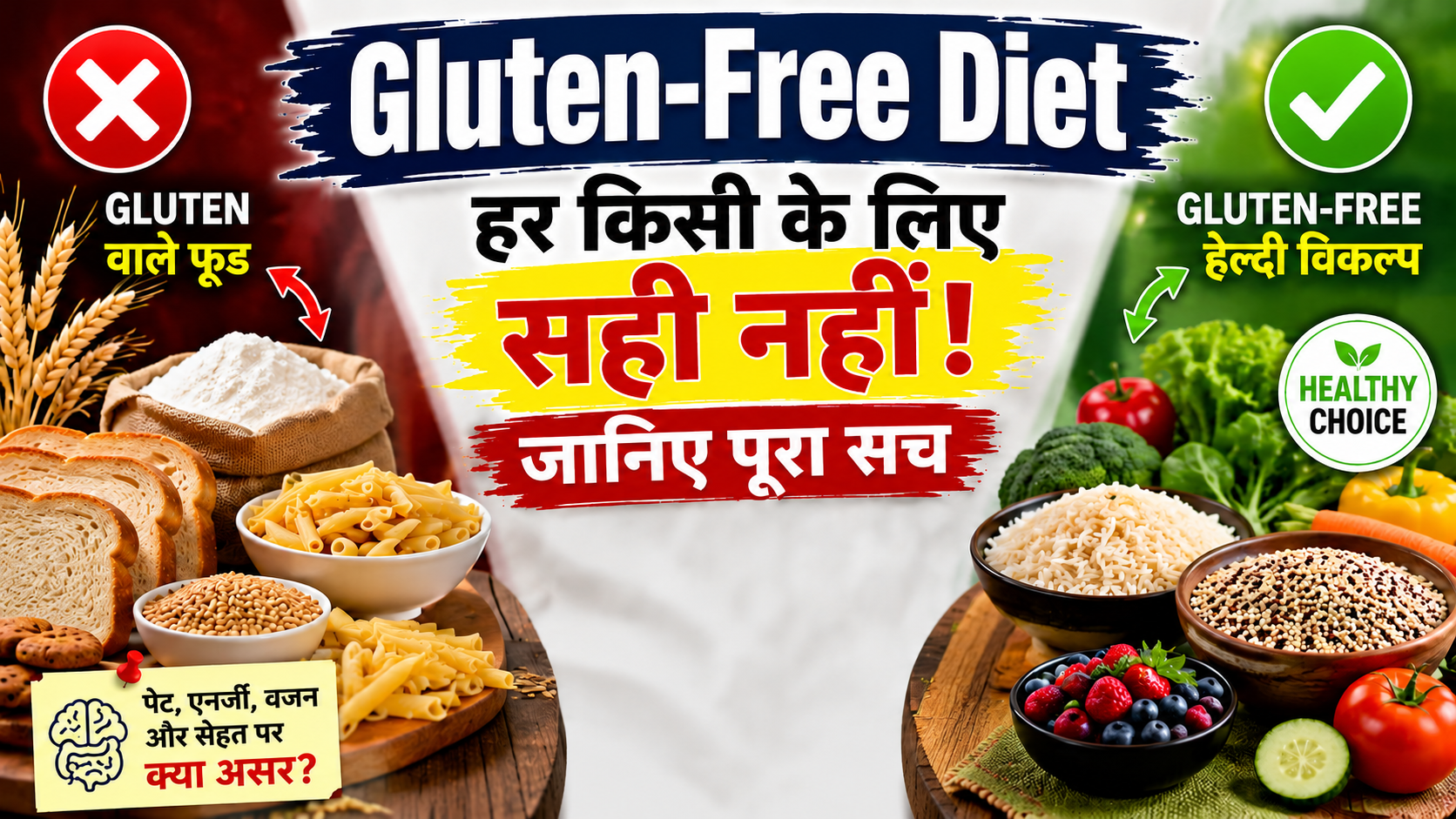
Over the past few years, the gluten-free diet has become one of the most talked-about health trends. Supermarket shelves are filled with gluten-free products, and many people believe avoiding gluten automatically leads to better health and weight loss.
But is a gluten-free diet really beneficial for everyone?
The truth is, while some people medically require a gluten-free diet, others may be avoiding gluten without any real benefit. Understanding who needs it—and who doesn’t—can help you make informed dietary choices.
What Is Gluten?
Gluten is a group of proteins naturally found in grains such as:
- Wheat
- Barley
- Rye
- Triticale (a hybrid of wheat and rye)
Gluten gives dough its elasticity and helps bread rise while providing a chewy texture.
Foods That Contain Gluten
Many everyday foods contain gluten, including:
- Bread
- Pasta
- Pizza
- Cakes
- Cookies
- Biscuits
- Breakfast cereals
- Noodles
- Crackers
- Some soups and sauces
- Beer and malt beverages
Gluten can also hide in processed foods, making label reading important for those who need to avoid it.
Who Should Follow a Gluten-Free Diet?
1. People with Celiac Disease
Celiac disease is an autoimmune disorder where gluten triggers the immune system to attack the small intestine.
Common symptoms include:
- Chronic diarrhea
- Abdominal pain
- Bloating
- Fatigue
- Weight loss
- Iron deficiency anemia
- Nutrient deficiencies
For these individuals, a strict lifelong gluten-free diet is the only effective treatment.
2. Non-Celiac Gluten Sensitivity (NCGS)
Some people experience symptoms after eating gluten despite testing negative for celiac disease.
Symptoms may include:
- Bloating
- Headaches
- Fatigue
- Brain fog
- Joint pain
- Stomach discomfort
The diagnosis is made after excluding celiac disease and wheat allergy.
3. Wheat Allergy
Unlike celiac disease, wheat allergy is an allergic immune response to wheat proteins.
Symptoms may include:
- Skin rash
- Itching
- Swelling
- Difficulty breathing
- Digestive problems
These individuals must avoid wheat, although some may tolerate other gluten-containing grains depending on their allergy.
Does Going Gluten-Free Help You Lose Weight?
Not necessarily.
Many people assume gluten-free foods are healthier, but that’s often not true.
Some gluten-free packaged foods contain:
- More sugar
- Higher fat content
- More calories
- Less fiber
- Less protein
Weight loss usually happens because people reduce processed foods—not because gluten itself causes weight gain.
Is Gluten Harmful for Healthy People?
Current scientific evidence does not support removing gluten from the diet if you do not have:
- Celiac disease
- Wheat allergy
- Non-celiac gluten sensitivity
Whole wheat products provide valuable nutrients including:
- Dietary fiber
- B vitamins
- Iron
- Magnesium
- Zinc
Removing them unnecessarily may reduce nutritional quality.
Naturally Gluten-Free Foods
Fortunately, many nutritious foods are naturally gluten-free.
These include:
Fruits
- Apples
- Bananas
- Oranges
- Berries
- Mangoes
Vegetables
- Spinach
- Broccoli
- Carrots
- Tomatoes
- Bell peppers
Protein Sources
- Eggs
- Fish
- Chicken
- Lentils
- Beans
- Chickpeas
Dairy
- Milk
- Yogurt
- Cheese
Gluten-Free Grains
- Rice
- Corn
- Quinoa
- Buckwheat
- Millet (Bajra)
- Sorghum (Jowar)
- Amaranth (Rajgira)
Benefits of a Gluten-Free Diet (When Medically Needed)
For people with celiac disease or gluten sensitivity, a gluten-free diet can:
- Heal the intestinal lining
- Improve digestion
- Increase energy levels
- Correct nutrient deficiencies
- Reduce inflammation
- Improve quality of life
- Lower long-term health risks
Possible Risks of Following a Gluten-Free Diet Without Medical Need
Unnecessary gluten restriction may lead to:
- Fiber deficiency
- Constipation
- Vitamin deficiencies
- Lower intake of whole grains
- Higher food costs
- Overdependence on processed gluten-free products
Tips for Following a Healthy Gluten-Free Diet
If your doctor recommends a gluten-free diet:
- Read ingredient labels carefully.
- Choose naturally gluten-free foods.
- Limit processed gluten-free snacks.
- Eat plenty of fruits and vegetables.
- Include lean proteins.
- Consult a registered dietitian for balanced meal planning.
Common Myths About Gluten
Myth 1: Gluten is unhealthy for everyone.
Fact: Most healthy people digest gluten without any problems.
Myth 2: Gluten-free foods are healthier.
Fact: Many gluten-free packaged foods contain more sugar and fat.
Myth 3: Gluten causes weight gain.
Fact: Excess calories—not gluten itself—cause weight gain.
Myth 4: Everyone should avoid wheat.
Fact: Whole wheat is a nutritious food for most people.
When Should You See a Doctor?
Consult a healthcare professional if you experience:
- Persistent bloating
- Chronic diarrhea
- Unexplained weight loss
- Iron deficiency anemia
- Family history of celiac disease
- Ongoing digestive discomfort after eating wheat
Proper testing should be done before starting a gluten-free diet, as eliminating gluten beforehand can affect the accuracy of diagnostic tests.
Final Thoughts
A gluten-free diet is a medical necessity for people with celiac disease, wheat allergy, or non-celiac gluten sensitivity. However, for most healthy individuals, there is no evidence that avoiding gluten provides additional health benefits.
Instead of eliminating gluten without reason, focus on eating a balanced diet rich in whole grains, fruits, vegetables, lean proteins, and healthy fats. If you suspect gluten may be causing symptoms, consult your healthcare provider before making major dietary changes.
Remember: Healthy eating isn’t about following trends—it’s about choosing what works best for your body, based on evidence and individual needs.


